Not All Bobbers Are Created Equal: Better Buy The Best.
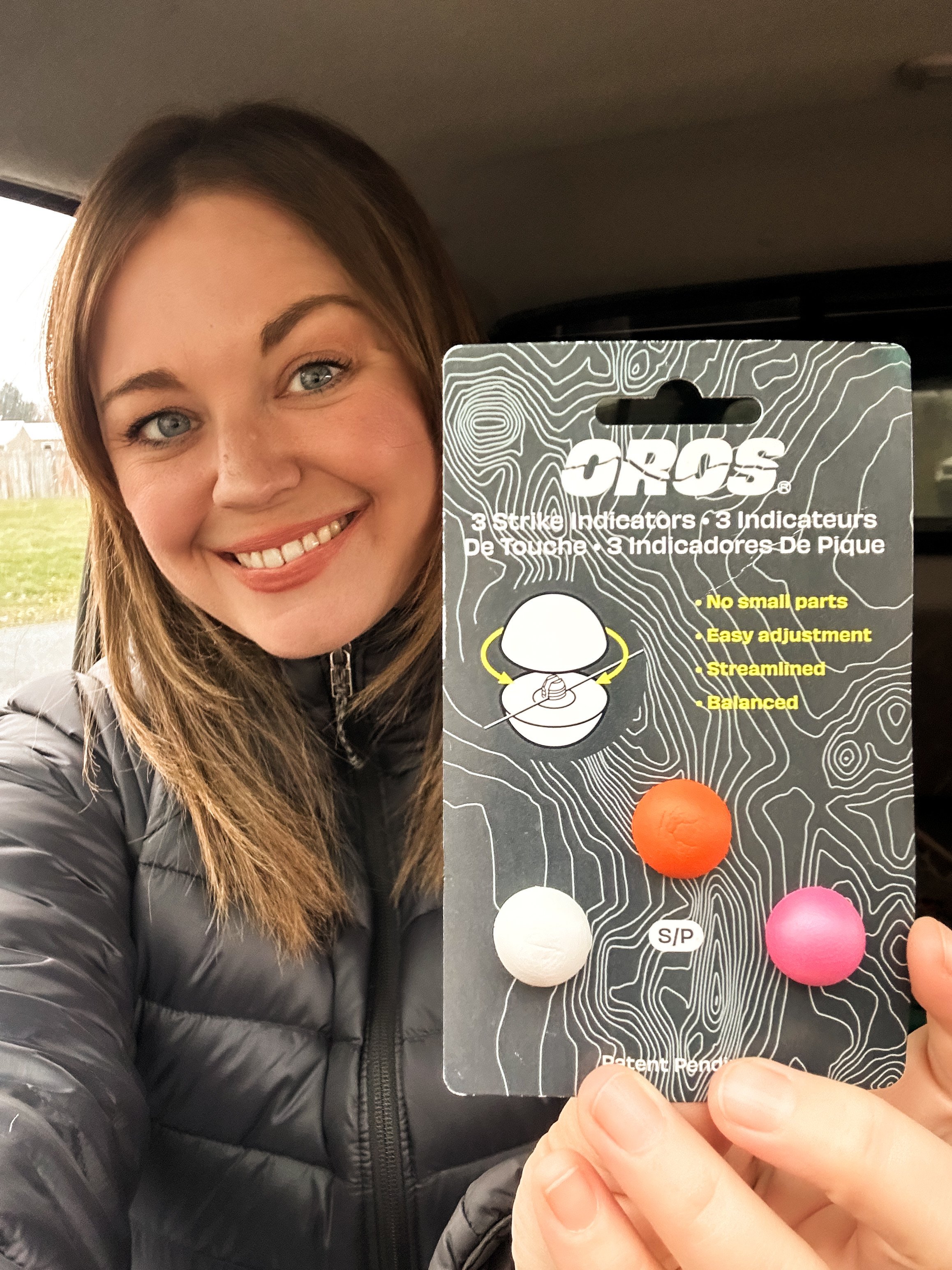
Let’s start by clearing the air: “strike indicators” are indeed bobbers. You heard it here first. New fly anglers, in case there’s been any confusion based upon terminology and fly fish jargon being thrown around, make note. And in case you weren’t already aware, bobbers are in fact used by many while fly fishing. Check out this YouTube video from Orvis that shares some of the basics of beginner bobber fly fishing with nymphs. On to the subject at hand…
Is there a brand of fly fishing bobber that’s far superior to the others?
The short answer is yes, in my opinion, after using most all of the stylers of strike indicators on the market, the OROS design lands on top. Here’s why:
They’re easy to adjust on your rig. One of the banes of indicator nymph fishing is that it can require a fair amount of readjustment in order to ensure that your rig is the correct length while presenting your fly within the “strike zone”(areas where fish are present and feeding). Even more, if you’re nymphing on a stretch of water where there are distinct changes in water depth, readjusting the length between your bobber and fly is oftentimes necessary. The OROS design makes it incredibly easy to move your bobber up and down the length of your leader, making it simple and easy to execute those changes when needed.
They don’t kink your leader. While not always the case, there are various bobber designs that wind up bending your leader, leaving behind a kink and disruption within the smooth quality of your presentation once the bobber’s removed. The OROS design completely avoids creating any pesky bends in your leader.
They stay in place. If you haven’t experienced the headache of an indicator regularly sliding up and down your leader consider yourself lucky. OROS, when tightened appropriately, always manage to stay secured in place. A serious win.
They’re durable. What can I say, I just recently picked up a new three pack while going into the winter season which also happens to be my most heavy nymph fishing season, but I’ve had the same handful of OROS indicators for two years and they remain to be in great working order.
They’re user friendly. A feature that may be my #1, the OROS design is generally quite easy to handle, even for those of us who may not have the most nimble of fingers. While the fine tune motor skills required within fly fishing can serve as a barrier for plenty, these bobbers most definitely do their best to contribute to a greater landscape of accessibility.
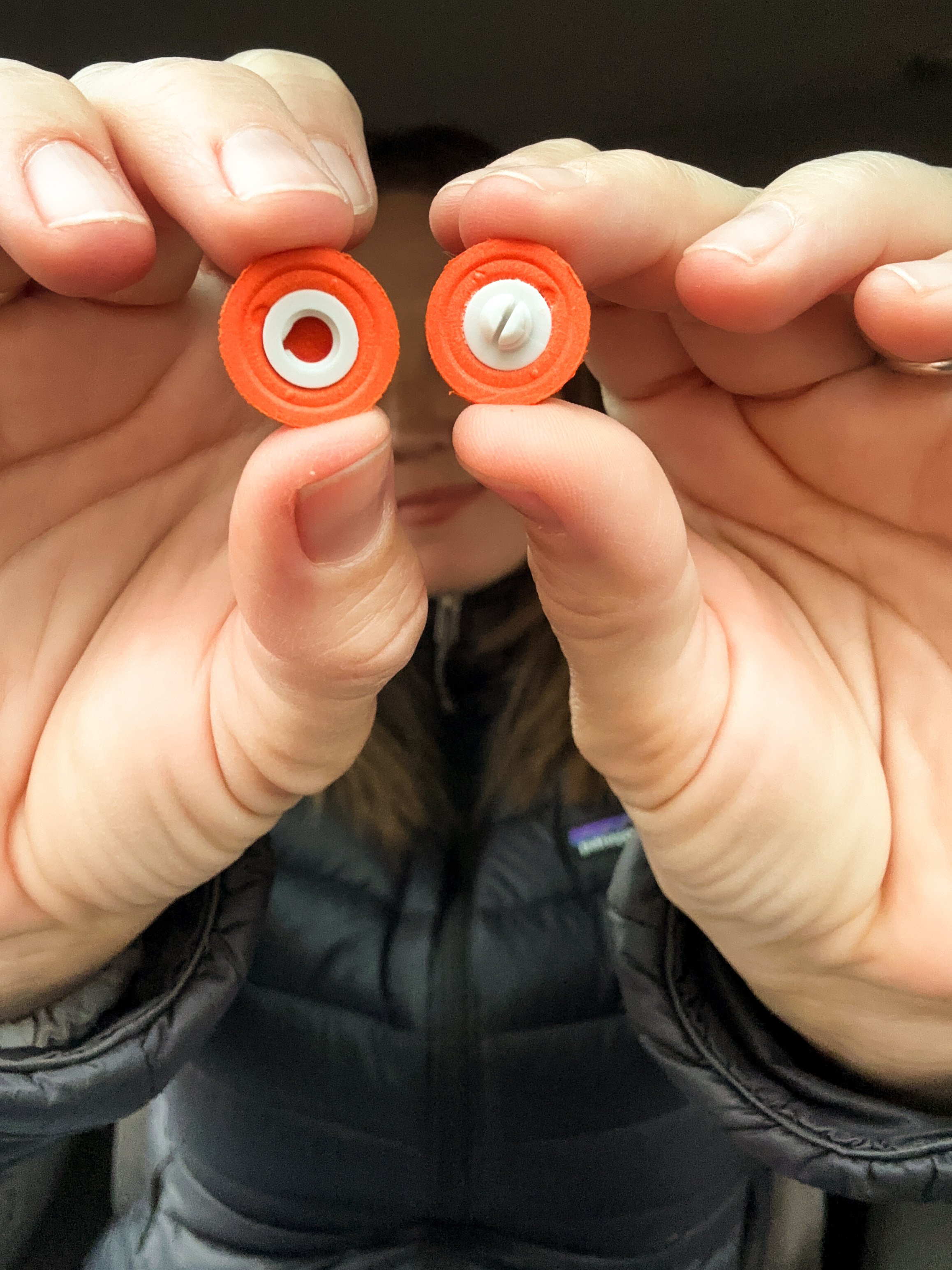
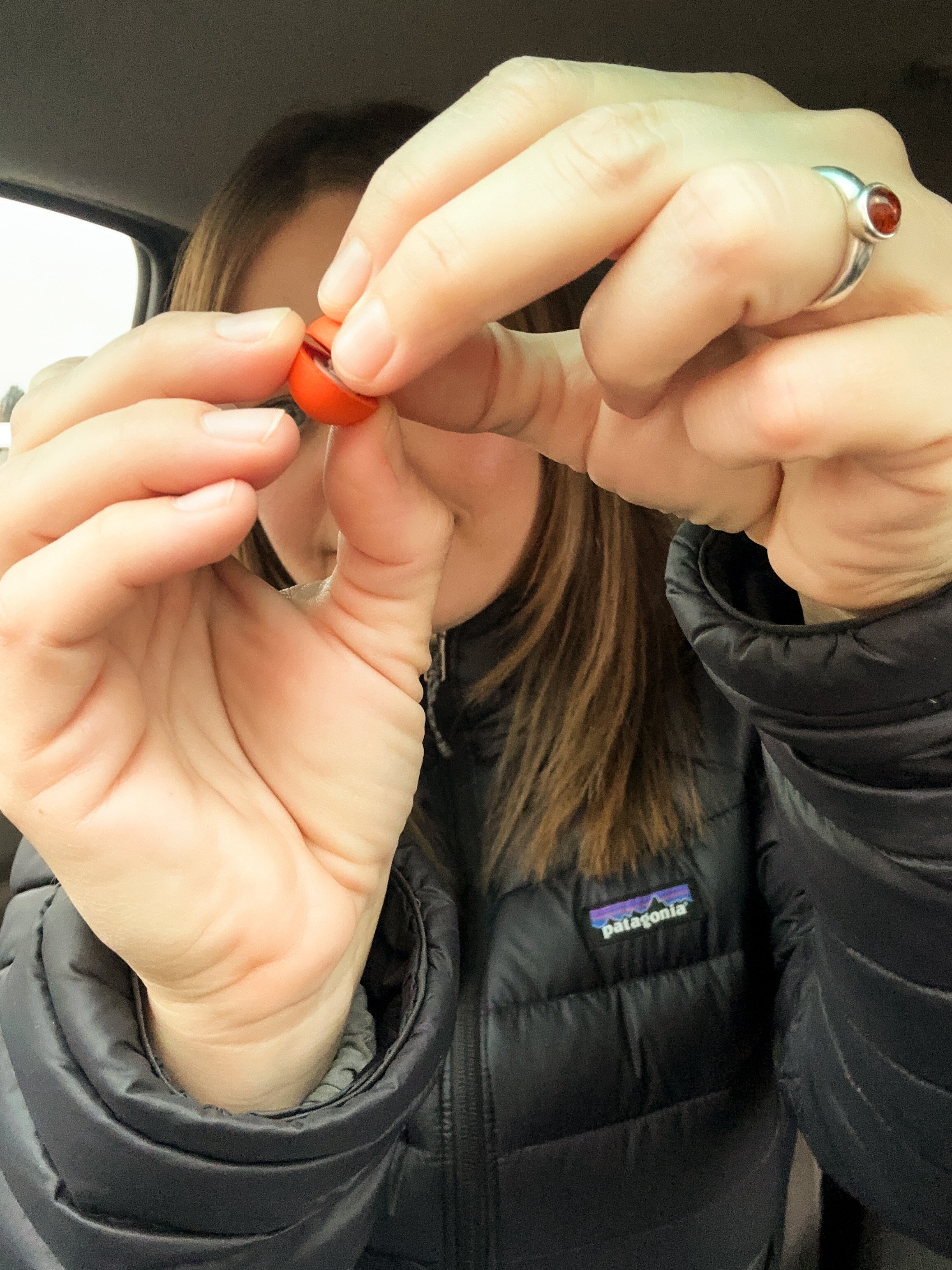
Want to see the OROS in action along with an in-depth product review? Check out this share from Mad Rivers Outfitters on YouTube, another one of my favorite channels to explore for useful education and information. Click here to learn more about the OROS Strike Indicators on their website. Happy fishing, friends!
Fly Fish + Hiking Fly Box Essentials
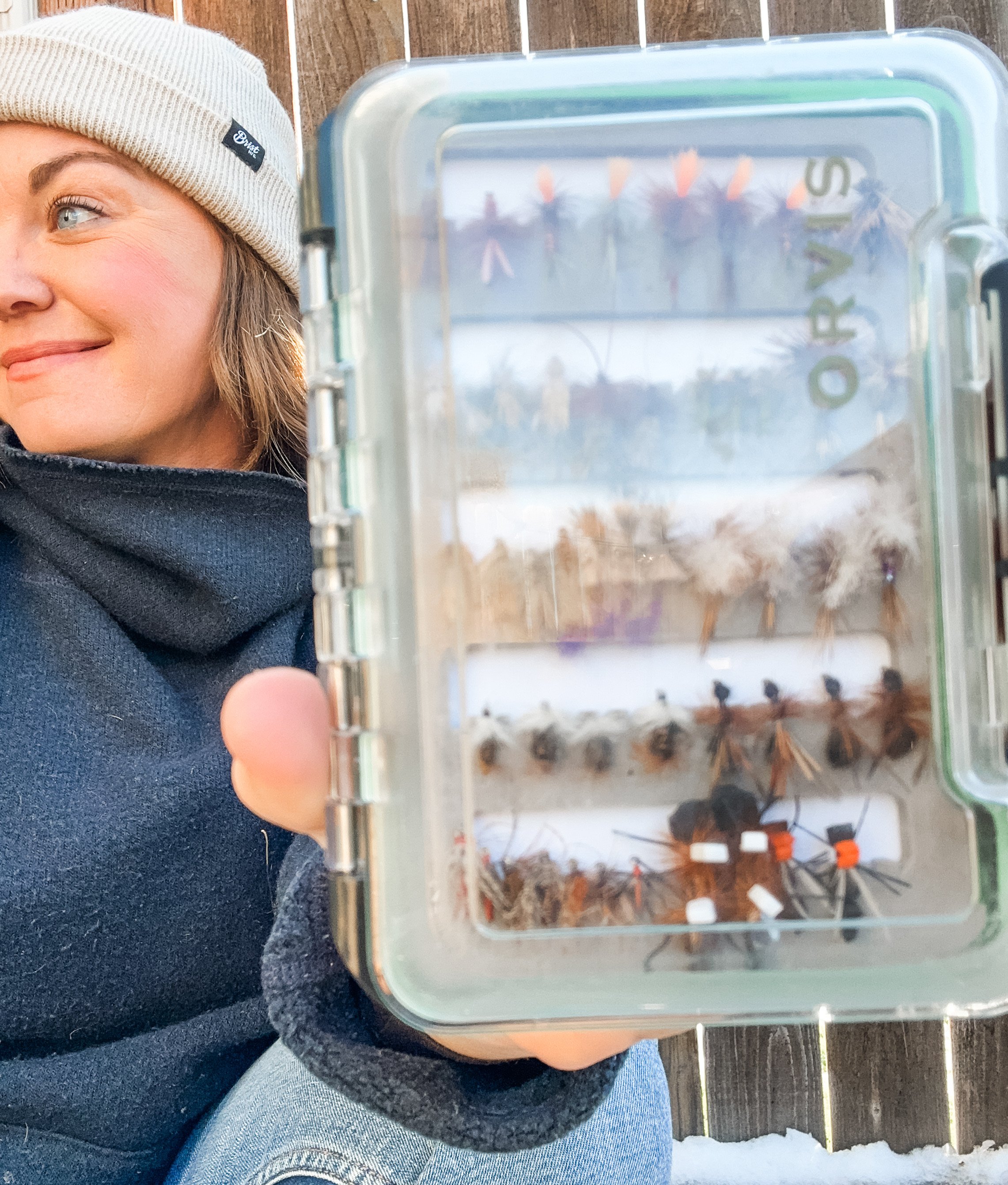
For those who love both day trip and multi-day hiking and fly fishing excursions, maximizing space in your backpack while ensuring that all of the essentials are along for the ride is critical. I’m certainly an angler who has oh so many fly boxes(too many fly boxes?), but when I’m hiking substantially longer distances to fish I tend to take a very different approach. Rather than filling up precious cargo space in my bag with multiple fly boxes, I prefer to carry one single box that checks all of the boxes. Because let’s be honest, snacks, water, and plenty of clothing layers need to be a priority. Check out how I go about organizing my hike and fly fish box….
Streamers
While everyone has their own methods and tactics when approaching the water, whether fishing a new destination or a regular hometown stretch, I’m often one who opts for small streamers while prospecting for trout. These flies which are typically fashioned to imitate small baitfish are incredibly versatile and can be fished in a variety of ways both on still water(lakes and reservoirs) as well as rivers and streams. Check out this YouTube video from Orvis that serves as a great ‘how to’ highlighting streamer fishing for trout. I typically equip myself with several sizes and color variations of each pattern, leaning towards more natural colors(white, olive, tan, and black).
The top three streamers that always make it into my box:
Conehead Woolly Bugger
Egg Sucking Leech
Mini Sculpzilla
Dry Flies
Oftentimes the style of fly that’s most frequently associated with fly fishing, arming yourself with a solid array of versatile dry flies, whether they fall beneath the category of mayflies, caddis flies, stoneflies, midges, or terrestrials is essential. While many fly anglers have numerous fly boxes filled exclusively with dry fly variations, when embarking upon more streamlined ventures it’s important to narrow it down to a well-rounded and simplified assortment that’s appropriate for the season. The overarching subject of dry flies tends to be rather vast, but this beginners guide to fly fishing dry flies is a great starting point.
The top SIX that always make it into my box(because I couldn’t just pick three):
X-Caddis(olive)
Stimulator(orange and/or yellow)
Purple Haze
Sparkle Dun(variation dependent upon the season)
Foam and/or Flying Ant
Renegade

Nymphs & Wet Flies
For those who’re new to the sport of fly fishing, what you may not realize is that the mass majority of the daily diet for a trout is acquired from subsurface food sources in the water. That’s where nymphs and wet flies step in. Variations of these fly patterns that are fished anywhere between the area just below surface of the water in the “film” or deep into the water column, even bouncing off of bottom, are incredibly productive. While there are many methods and techniques for fishing nymphs and wet flies, this video introduction to nymph and wet fly fishing, also created by Orvis, offers a firm foundation.
The top three nymphs that always make it into my box:
Sexy Walt’s Worm
Matchstick Quill Jig
Lite Brite(Purple and/or Pink)
The top three wet flies that always make it into my box:
Gold Ribbed Hares Ear
Red Ass Kelso
Birds Nest

Another important area to note is that in some circumstances hiking to fly fishing destinations can present some combination of biodiversity and elevation changes to be taken into account. If your outing is going to include a notable shift in environments don’t forget to bring along fly variations that speak to those particular environments that you may encounter. The flies that I tend to fish at 4000ft is at times quite a bit different from what I’m fishing at 8000ft on any given day. And even if you don’t live in a mountainous area potential changes in the ecosystem can certainly play a role in what insects are present, the temperature and condition of the water, and the behavior of the fish.
Stay tuned for some upcoming articles that dig a bit deeper into all of the fly fish and hiking gear, equipment, and apparel that I happen to love, as well as other pieces that highlight functional movement, mobility, and mindfulness methods to support your hikes while fly fishing. Winter can serve as a fantastic time to research, plan and plot, and get geared up for the upcoming Summer season ahead.

Five Ways to Stay Engaged with Your Fly Fishing Practice While at Home
While it’s probably safe to say that we all prefer our precious time spent adventuring on our favorite fisheries over all else, life doesn’t always allow for constant jaunts to our home waters or exciting new destination fisheries. The good news is that there are tons of ways to not only stay engaged and excited about our fly angling practice while at home, but those efforts that we make in-between our outings play a huge role in our growth as anglers. Here are a few of my favorite ways to continue learning and exploring while I’m hanging at home…
1) Organizing fly boxes.
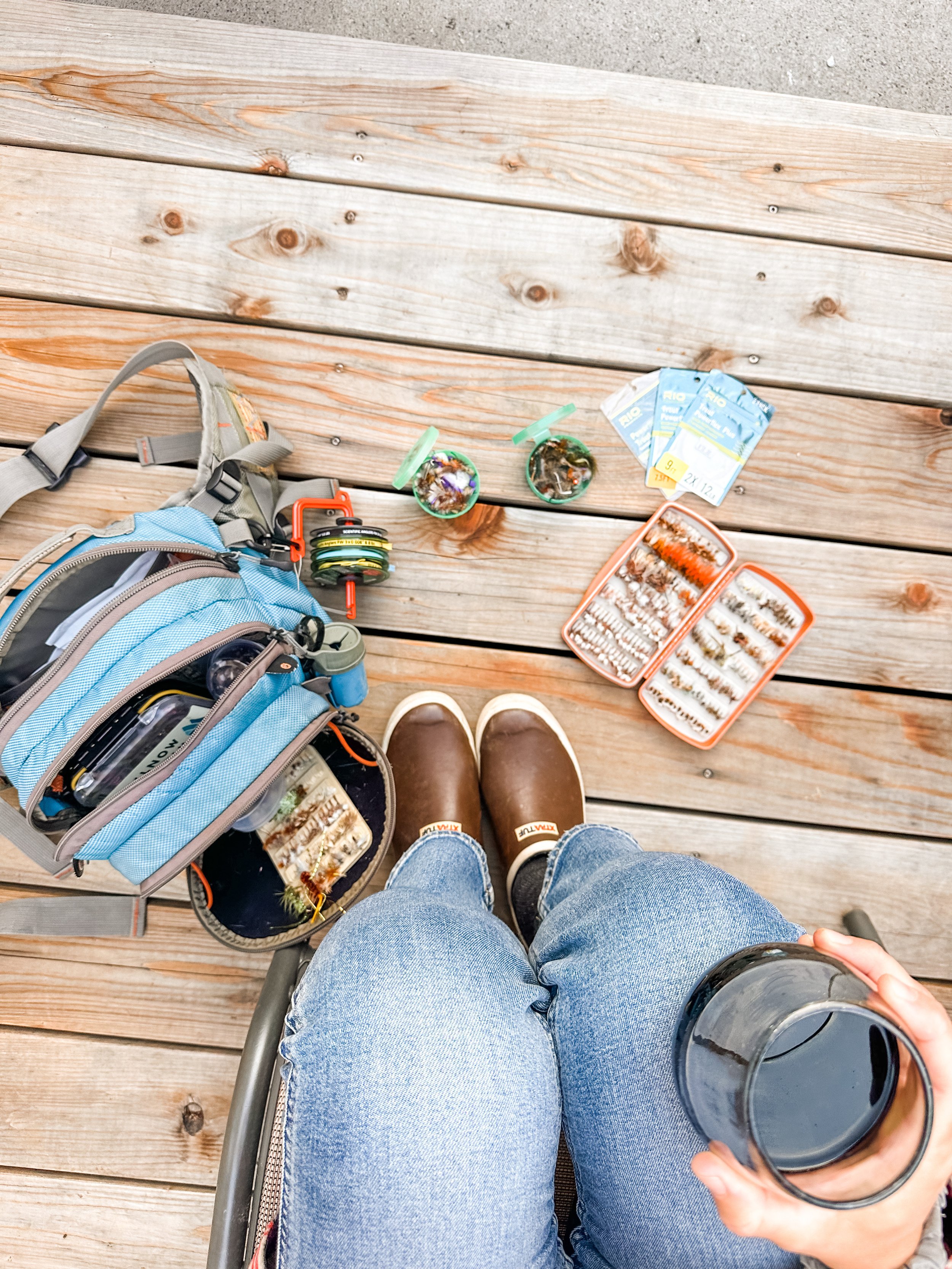
Setting aside time to organize my fly boxes remains to be one of my favorite at-home fly fishing activities. There are many different schools of thought in terms of how to go about this task; over the years I’ve tried on various methods and continue to experiment from time to time. While some organize via specific fly types designated to their own boxes(a box for nymphs, a box for dry flies, a box for streamers, etc.) others are more particular about orienting their boxes seasonally, regionally, or based upon specific insect life cycles. At the end of the day it’s really up to the individual angler and their own preferred way of locating their flies(while ensuring that they have exactly what they need) with ease while on the water. My personal favorite fly boxes on planet earth? Without a moments hesitation, that would be the Tacky Pescador fly boxes from Fishpond. I have several in a variety of sizes.
2) Taking inventory of gear.
This job tends to be fairly quick and easy for me, but it is an essential step nonetheless. Pieces of equipment that I frequently take inventory of in-between trips include: flies that may need replenishing, tippet, floatant, and leaders. I also never hit the water without a few snacks tucked into my pack, so any turkey sticks or granola bars that may have been consumed are always quick to be restocked for next time around. A hangry fly angler is not a happy fly angler! The three brands that I most regularly use to stock my fly line, leaders, tippet and floating include Loon Outdoors, Scientific Anglers, and Rio Products.
3) Crimping barbs.
While some of my flies are tied on barbless hooks, the mass majority do indeed contain barbs. Of the many different areas that compose my fly angling ethics, crimping my barbs is definitely high on my list. This gesture not only allows for quick and easy hook removals and a much less pronounced impact on fish, but it also makes all of the difference in the world in the case that a fly hook might unwittingly wind up in my own body or clothing. Everyone wins with a crimped barb, and what better way to save time on the water than to just de-barb your hooks while at home? Here’s a quick video tutorial on the Orvis YouTube channel that shares how to de-barb your hooks..

4) Practicing knots.
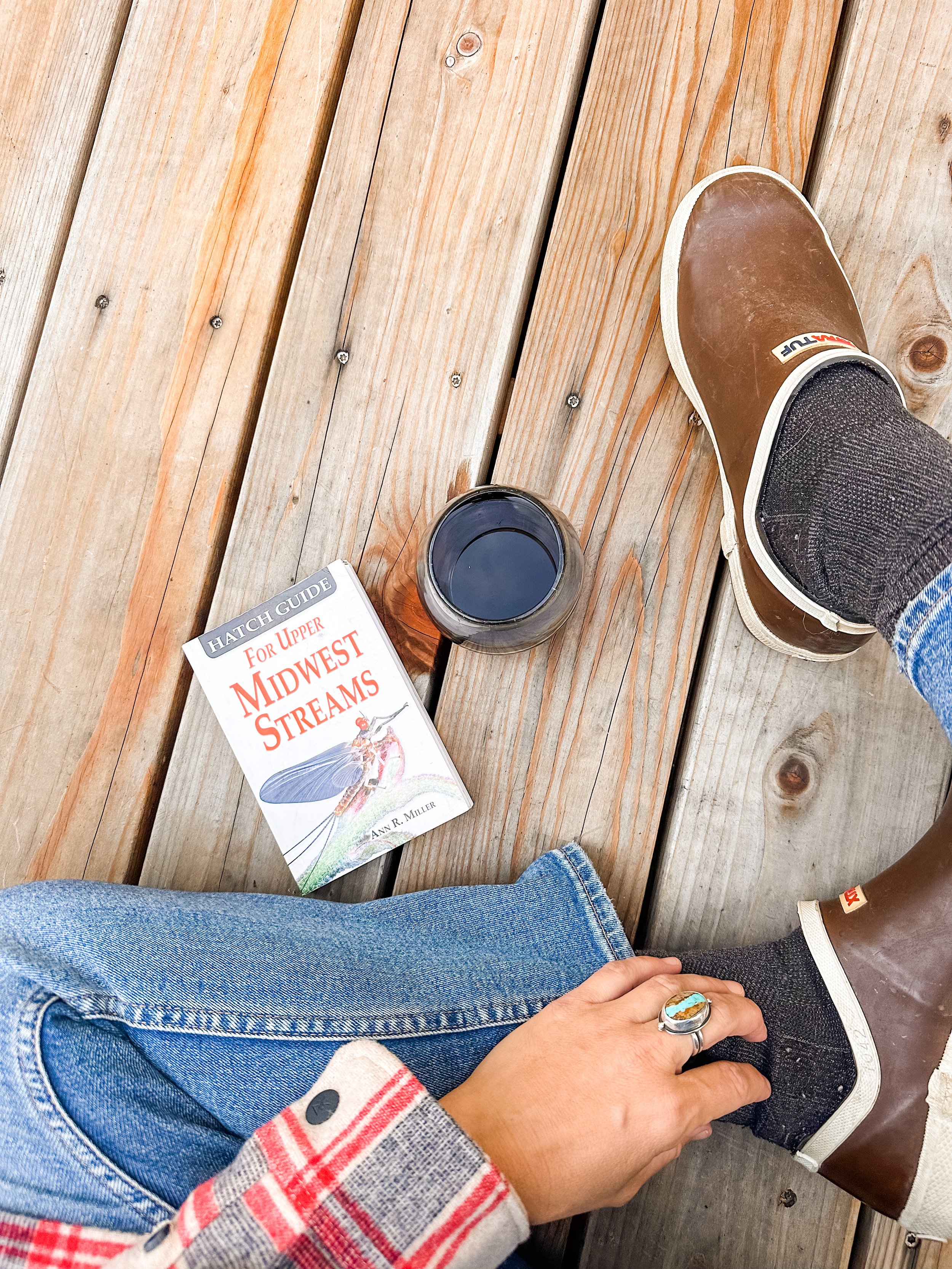
Practice makes perfect, as they say. The very best way to become proficient and swift while tying knots on the water is to build that muscle memory while at home. Depending upon the individual angler, the variety of species they target, and the types of fisheries that they explore, the essential knot knowledge needed will indeed vary. At the very least, most freshwater fly anglers will want to know the loop to loop, double surgeons, and the clinch and/or improved clinch knots as a baseline. Additional ties including the blood knot, nail knot, and a non-slip or perfection loop knot will also come in handy, too. You can use any material that you’d like while learning your knots(pictured here I’m repurposing some old fly line). I also recommend practicing your knots on your leader/tippet material as well since that will represent how you’ll experience tying them while on the water. You can find a great guide to basic fly fishing knots via this Orvis YouTube video with Tom Rosenbauer.

5) Study and research.
Finally, your preferred style of study and research is always an area that provides both education and inspiration. Of course the subject matter and topics available to dig into are nearly endless, from entomology to reading water to casting mechanics to specific species and their ecosystems. Beyond that, there’s certainly no shortage of narrative literature, short films and documentary, non-fiction work, podcasts, and blogs and social media content to keep you entertained and interested. A great option that I particularly love that seamlessly combines entertainment with education is the YETI YouTube channel. Choose your favorite medium and enjoy!
One more area that I didn’t mention is that of actual dry-land fly casting practice. In fact I love it so much that I developed my own unique and one of a kind Wade Well ‘Fluent Fly Casting Method’. That topic however is one expansive enough to save for a blog post all its own. Stay tuned!
Fly Angling for Holistic Wellness
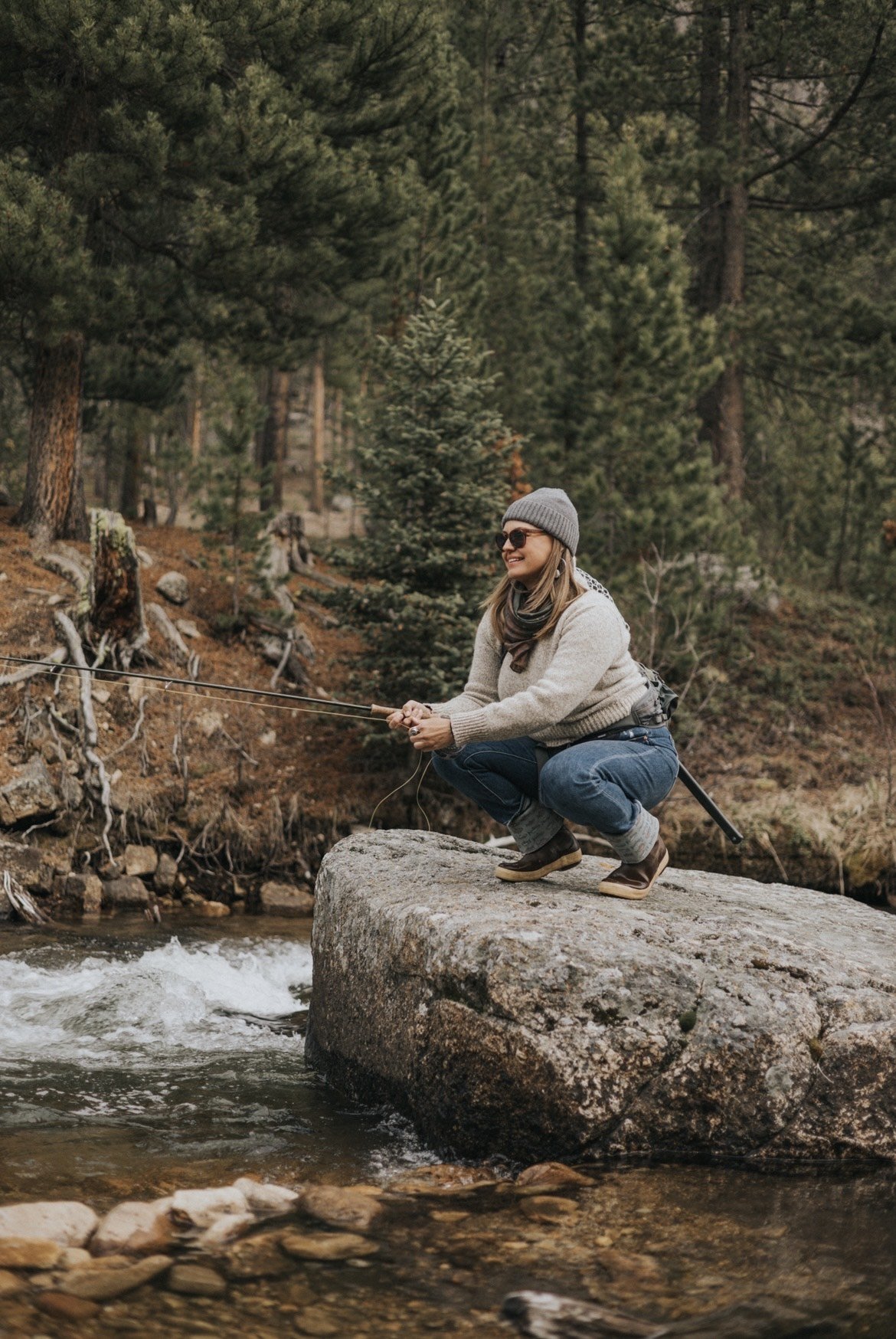
When considering the imagery of a fly angler perched within a crystal clear trout stream, drawing long elegant casts while nestled between snow-capped peaks and deep green conifers, it isn’t difficult to imagine how this pastime may enhance our well-being. And while there have been many who’ve likened fly fishing to yoga over the years, and for good reason, the wellness-focused elements that compose the foundation of fly fishing reach well beyond any one school of thought. Fly angling has long been known as being that of a greatly therapeutic sport; one rich in time spent exploring pristine fisheries ,wild terrain, as well as urban areas of natural refuge. For those who’ve chosen to develop a deeper relationship with their time on the water, it may even be considered that of a full and well-rounded wellness practice in and of itself, composed of endless potential to improve our health and quality of life. Not only does fly fishing inherently lean towards a mindful movement practice, it also offers ample opportunity to incorporate and experience additional wellness methods into any given venture. Here are just a few ways that it can enrich our lives and contribute to our well-being.
Time in the Outdoors. The body of research that now supports the benefits of spending time outside is both voluminous and encouraging. Improved sleep, reduced stress, greater immune function, and better respiratory health are just a few of the many areas where both physical and mental health are boosted by the outdoors. According to a 2019 study that analyzed data from 19,806 participants, their results found that spending a minimum of 120 minutes outside weekly showed substantial progress within the above areas. Even more, evidence found while studying Forest Bathing in Japan presented a marked decrease in blood pressure and heart rate within those participants who engaged in regular visits to green spaces. Learn more about the many benefits of exercise in the outdoors here.
Fly Casting as Mindful Movement. With an aesthetic that’s characterized by grace and intention, the presence of a flow-like meditative quality is firmly embedded in fly casting. Similar to any application of mindful movement(think yoga, tai chi, or even modern dance), the practice of casting facilitates space to slow down and experience the benefits of a mind-body connection. With various styles to explore and master, from single hand to two hand variations, there’s ample opportunity to continue to learn, refine, and even develop new neural pathways. For an additional layer of connected-ness, integrating a breath work practice while fly casting can offer even more benefits.
Natural Movement. For those who choose to walk and wade while fly fishing, you’ll likely find yourself fully immersed within a myriad of natural movement patterns throughout any given outing. Walking in and of itself provides enormous benefits that range from stress reduction, cardiovascular health, and cognitive improvement. Additionally, more recent research, including the findings from this JAMA Neurology published study, demonstrate that those who regularly walk significantly lower their risk of developing dementia. Meanwhile, wading through a moving current asks for a keen sense of balance and proprioception, full body strength, and clear focus. Beyond our basic locomotion, we have the opportunity to engage with additional natural movement patterns as we move through variable and un-groomed terrain. Think climbing up and down steep riverbanks, hip-hinging to crawl beneath low hanging branches, stepping up and over downed trees, and squatting to catch, handle, and release fish.
Cold Plunge Potential. While many target a wide variety of fish on a fly rod, from saltwater species such as permit or tarpon to warm water species such as musky or bass, a large demographic of fly anglers choose to explore those coldwater trout fisheries that boast gin-clear water that are oftentimes either spring or mountain fed. With an emphasis on “coldwater”, which is in fact an eco-prerequisite for wild and native trout to survive, these rivers and streams typically range in temperature from 40 to 70 degrees Fahrenheit, with optimal temps hovering between 52 to 64 degrees. Coincidentally, the ideal temperature range for cold plunging is generally understood as being between 50 and 59 degrees. If you’ve chosen to take a hold of the trending practice of cold plunging, why not complement your fly fishing outing with a quick invigorating dip before packing it in for the day? Check out this recent Mind Body Green article that highlights the many science-backed therapeutic benefits of cold exposure here, along with some great how-to recommendations for beginners.
In an era where many of us are living within the constraints of long to-do lists, tight timelines, and limited opportunity to invest in our holistic wellness, discovering a practice that seamlessly checks so many of the health-focused boxes is an inarguable win. Whether you’re in need of a quiet solo expedition characterized by introspection, or an avenue to meet new people and enjoy a day outdoors among friends, the versatility of fly angling offers a wealth of wellness for everyone.
The Physical Feat of Mindfully Landing, Handling, and Releasing Fish
For the budding new angler, or those who tend to hit the water with guides or buddies more often than not,you may be in for a bit of a surprise when you first realize that netting your own fish can wind up being the greatest physical feat of the day.
While we’ve been fortunate in recent years to have excellent organizations like Keep Fish Wet leading the charge in safe fish handling education, implementing these best practices can come with a few unexpected asks from your physical self. Executed with ease and sometimes taken for granted, landing and releasing a fish with care often involves far more coordination, mobility, and awareness than it appears.
Below is a breakdown of some of the key physical elements involved in a solid landing, handling, and release, along with simple, practical ways to support your body off the water so you can better care for your fish on it.
Shoulder Mobility
It should go without saying that fly casting demands a fair amount of shoulder mobility. What’s often less obvious is how much shoulder flexion,arm overhead,you need when netting your own fish. This position places additional demands on the shoulder girdle, especially when paired with uneven footing or flowing water.
Maintaining well-moving shoulders is essential, particularly during the net-and-release phase.
Try: Shoulder CARs (Controlled Articular Rotations) are one of the most effective ways to build and maintain usable shoulder range of motion and control. These can be done seated, standing, tall kneeling, or in a quadruped position. A quick daily set of slow, intentional rotations goes a long way in keeping this complex joint system healthy.
Reaching
With the lift of the rod comes an even longer reach from the net-handling arm. Reaching well requires coordination between the shoulder blade, shoulder capsule, arm, and spine. It’s a whole-body task, not just an arm movement.
Keeping these systems working together supports not only fish handling, but plenty of everyday movements as well.
Try: Stack movements by practicing single-arm or two-arm reaches while seated on the floor. Sit cross-legged and reach forward, overhead, and side to side, then switch which leg is in front. Other useful positions include legs straight out, straddled, or any type of squat. Use a yoga block, bolster, or pillows under your seat as needed. Adding gentle trunk rotation can further support spinal health.
Grip Strength
And no, I’m not talking about death-gripping your fish. Please don’t.
Whether you’re using a rubber net or opting for a hands-free release, healthy hands and wrists matter. Even lightly managing a net handle or controlling slack line requires grip endurance and wrist control. When these areas aren’t up to the task, even simple actions can feel surprisingly challenging.
Try: Similar to shoulder CARs, daily wrist CARs performed slowly and intentionally can help maintain wrist mobility. Aim for three rotations in each direction. For added grip work, lightly squeeze a tennis ball while moving through the rotations.
Lower Body Mobility
One of the bigger challenges for many anglers is getting low enough to the water to safely remove a fly and release a fish,without lifting it out of the water. Limited ankle, knee, or hip mobility can make this difficult.
For many anglers, some variation of a squat is the most effective position for keeping fish submerged during release. A mobile lower body also supports checking water temperatures and navigating uneven terrain.
Try: Floor sitting is a deceptively effective way to build and maintain lower body mobility. Regularly shifting between seated positions moves the hips, knees, ankles, and pelvis through a wide range of angles. Use blankets or cushions as needed, and sit near a stable surface if you’ll need help standing back up. If floor sitting isn’t accessible, vary your seated positions in chairs or on the couch and incorporate ankle CARs throughout the day. Aim for about 30 minutes of floor time daily if possible.
Balance & Proprioception
Landing and releasing a fish often involves reaching, pivoting, squatting, and gripping,all while standing in moving water. In the excitement of the moment, it’s easy to forget that keeping your feet under you is still the foundation of the whole operation.
Stability isn’t about staying rigid; it’s about remaining steady within movement. Balance and spatial awareness are key.
Try: Start with sustained single-leg standing. As this becomes more comfortable, add movement,leg swings, arm reaches, or gentle hip hinges,to challenge your ability to re-stabilize. Use a wall or other support as needed while gradually increasing difficulty over time.
Surprisingly enough, safely handling and releasing fish may leave you with some unintentional mobility gains of your own. Keep those rod tips lifting and your squats plenty low.
And if you’re looking for motivation to invest in your movement practice off the water, becoming a more ethical, capable, and mindful angler is as good a reason as any. Your joints,and your fisheries,will thank you.
The Top Ten Things that I Love about Fly Fishing(that have nothing to do with catching fish)
I think most anyone who’s spent a decent amount of time on the water will agree that at some point we realize that fly fishing is about so much more than catching fish. This topic has been the focal point of countless literary works over many decades; what we find while we’re out looking for fish on the fly is the realization that we’ve stepped into a depth of experience that’s rarely matched by other sports. Many shy away from even referring to fly angling as a sport, and will more often liken it to an expression and experience of lived art. As we become increasingly engaged with our medium, what tends to grow is the desire to slow down, become a more keen observer, and absorb the details of our ecosystem more thoroughly. The joy and exhilaration of connecting with a fish on the fly is unique and fantastic in and of itself. And how lucky are we in knowing that there’s so much more to this practice than the fishing alone? Following is a short list of the top ten things that I love about fly fishing that have nothing to do with catching fish…
1-Bird Watching: The scavenging, hunting, calling, mating, and swooping down to swipe a fish right out of the water. Spending time returning to the same water throughout the seasons has allowed for me to witness the process of many species of birds nesting and nurturing their young. Bald eagles have always been a favorite. What a spectacular piece of nature to bear witness to.
2-Foraging & Identifying Plants: I began foraging prior to my introduction to fly fishing, but needless to say the two effortlessly complement one another. Discovering and identifying edible/medicinal plants while out exploring fisheries is such a delight. Likewise, learning how to better identify more plants, trees, and wildflowers even without harvesting is an intricate layer to the experience of being outdoors.
3-Walking & Moving in Nature: The amount of evidence that points to the positive physical and psychological effects that accompany simply being in the outdoors is enormous. I became so enthralled with the biomechanics of fly angling and exploring these wild places that I created an entire mindful movement method devoted to it. It’s a fascinating subject, and one where there’s always room for more exploration and evolution while we discover what it means to move well in the outdoors.
4-Witnessing Bugs Hatch: I’m not sure that I ever noticed hatches taking place before I began fly fishing, and of course now they’re impossible not to see whether I’m out on a fishing excursion or not. What a neat and detailed process, to begin to understand the entire life-cycle of these insects as they relate to the seasons and varied ecosystems that we explore.
5-Watching Wildlife at Work: I love witnessing the progress of beaver dams, nests, dens, beehives and abandoned beds. Sharing space with countless creatures and species that call these environments home always means that there’s so much taking place and to be seen within any stream, lake, forest, and field.
6-Snack Breaks: And not just while on the water, but also within the ritual of carefully selecting and gathering the days tastes and treats, securely tucking them away in anticipation of a moment later to come. Whether alone or in the company of others, those times where we locate a good log to perch on while nibbling on a sandwich or pulling out our portable french press to make a fresh batch of coffee are always a special and integral part of the experience.
7-Observing the Change in Light: From sun-up to sundown, whether it’s a blue bird day or one that’s overcast with diffused light. The golden hours are always tough to beat, but the entire days sequence of light as well as the warmth that it produces impacts how we feel and the paths that we choose to wander.
8-Watching Fish Rise: The slow emerger nips, the aggressive terrestrial nabs, and of course those vertical acrobatic caddis fly launches. While it can be challenging to not immediately cast to rising fish, the skillful angler and observer understand the value of pausing first. Over time I’ve found that sitting down and watching rises with a beverage in hand can be just as satisfying as the fishing itself.
9-The Wide World of Aromas: The fresh pine needles, wildflowers, sagebrush, grasses, soil, and manure all have their own unique scents to be experienced and enjoyed. As we know, our sense of smell has the strongest ability to trigger both emotion and memories. I also find that intentionally tapping into my sense of smell within any given environment tends to have a particularly grounding effect.
10-The Water: Its color, temperature, speed, depth, and structure. I love the huge amount of variance from one body of water to the next, along with studying the seasonal shifts that take place. Again, there’s something particularly engaging about returning to the same water features over the span of time. It offers all sorts of insight into how our climate is shifting, and how it is that we may be impacting the health of our fisheries.
I fell in love with fly fishing precisely because of its richness. It truly is a feast for the senses, a 10 course meal perfectly paired in some of the most beautiful venues the earth has to offer. Consequently, I’ve also found that the more time that I’ve spent shifting my gaze towards these many other elements, the stronger angler that I’ve become. Whether or not you have a tendency to be incredibly focused or catching fish every time you’re out on the water, or you feel fairly neutral about the catching itself, there’s always ample opportunity to enrich your experience in these ecosystems by simply seeing what’s there, and becoming actively and enthusiastically engaged with the gift that is exploring the great outdoors with a fly rod in hand.
Enjoy.